
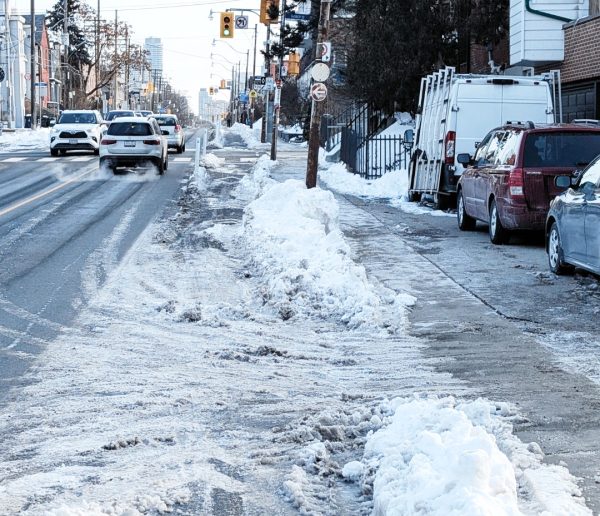
There is no shortage of distortion in our public discourse right now. Context-free photos. Selective anecdotes. Partial truths repeated until they harden into talking points. What troubles me most are claims that collapse under even light scrutiny, especially when they pit neighbours against one another instead of interrogating the systems that actually failed.
On the evening of Wednesday, January 14, continuing into Thursday, January 15, Toronto experienced a Significant Weather Event, prompting the City to activate its Major Snow Event Response Plan and declare a Major Snowstorm Condition in response to severe winter weather (City of Toronto, Jan 2025; MSERP background report). For many residents, this resulted in the first snow day of the season and a sudden halt to daily routines.
As someone who rides a pedal-assist e-bike for work and everyday trips, this became an unplanned but straightforward work-from-home day. I appreciated having an employer who did not expect me to navigate unsafe conditions simply to demonstrate commitment.
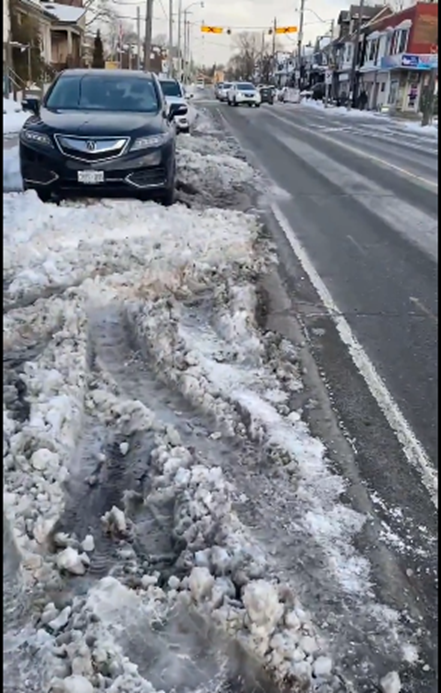
What followed was not surprising, but it was revealing.
Snow cleanup across the city was uneven and inconsistent, with a clear priority placed on moving cars first. Arterial roads were addressed earliest. Where above-ground transit shared those routes, it benefited. But if you needed to walk, roll, or ride to reach transit, conditions were far less reliable. Sidewalks, curb cuts, crossings, and bus stops lagged behind, reflecting Toronto’s long-established winter maintenance hierarchy. (City of Toronto, Levels of Snow Clearing Service).
This was not the first snowfall of the year, but it was the most disruptive. And if you rode a bike, or even considered it, conditions varied dramatically depending on location, timing, and design.
This context matters when claims began circulating that bike lanes were broadly “spotless,” “plowed early,” and “prioritized,” while residential streets, sidewalks, and access to transit were left buried. The implication was that cycling infrastructure had been favoured, and that drivers were paying the price.
Some residents did observe sections of physically separated bike lanes, particularly on major corridors, being plowed early during the storm. In certain locations, people reported bike lanes appearing clearer than adjacent sidewalks. That unevenness is real, but it is also precisely what allows partial observations to be elevated into broader claims that do not hold up citywide or over time.

I live less than 500 metres from Danforth Avenue, on Jones Avenue. Based on what I observed near my home and in nearby areas, many bike lanes became functionally unusable within a short period. Snow was pushed back in from driveways and parking areas. Ice accumulated. Street plowing and turning vehicles degraded conditions rapidly. Non-separated lanes fared even worse.
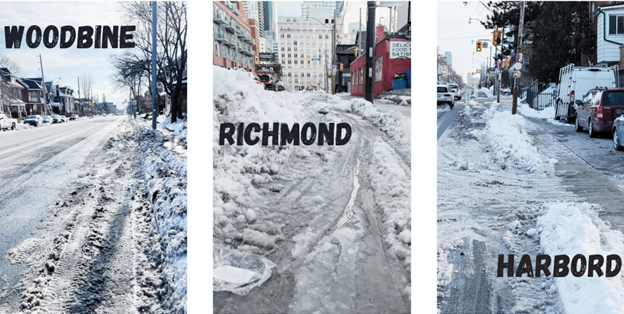
This was not limited to one location. The Biking Lawyer documented snow-packed, ice-filled bike lanes across the city on Richmond Street, Woodbine Avenue, Havelock Street, Gladstone Avenue, and elsewhere. These images show how quickly initially cleared infrastructure can deteriorate without sustained maintenance. Anyone could confirm this by stepping outside after the storm, not just during it.
To be clear, I am not accusing residents who felt frustrated during the storm of misrepresenting what they saw. Severe weather is chaotic, and people describe what is directly in front of them. But when selective observations are amplified by elected officials and framed as evidence that cycling is being favoured over everyone else, that is when a misleading narrative takes hold.
The City of Toronto’s own policies tell a different story.
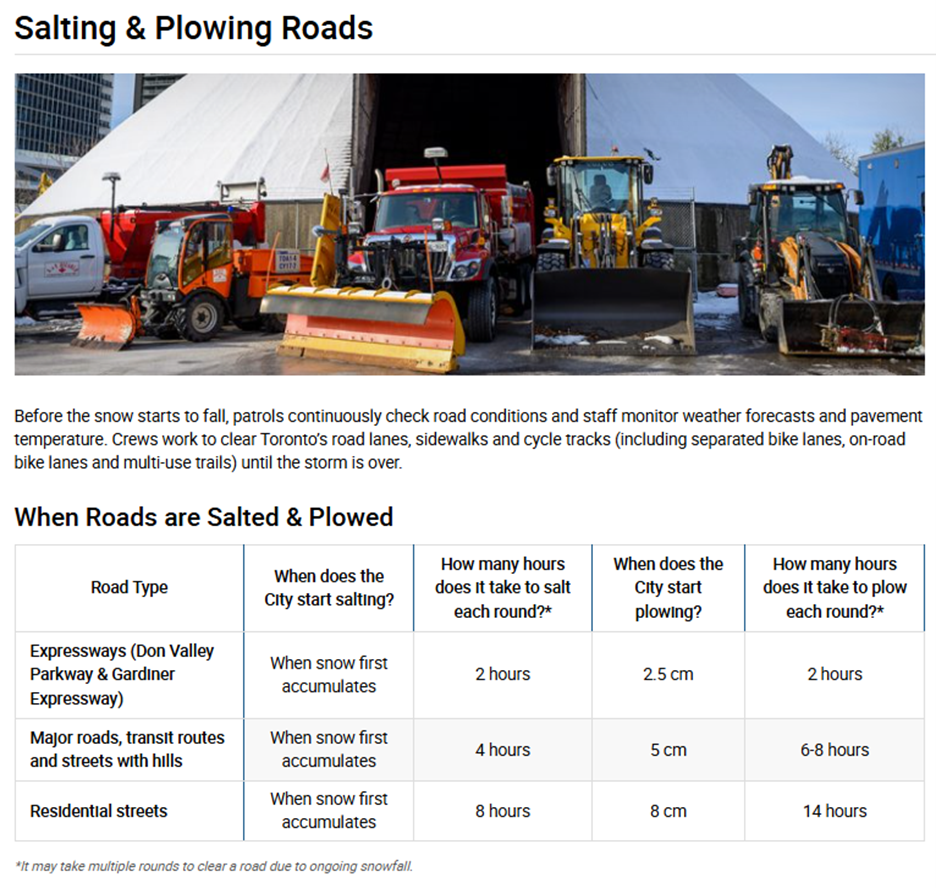
Winter maintenance standards explicitly prioritize expressways, arterial roads, and major vehicle routes. Cycling infrastructure is cleared later, inconsistently, and often with limited equipment, a reality the City itself acknowledges in its winter cycling guidance. (City of Toronto, Winter Cycling). Bike lanes do not receive special treatment. At best, some receive temporary treatment.
If cycling infrastructure were truly prioritized, residents would not need to volunteer their time days after a storm, shoveling and chipping away ice so people can safely walk, roll, push strollers, or ride. Yet that is exactly what happened along Bloor Street last weekend, where community members stepped in to address conditions that had not yet been stabilized.Jun Nogami documented these efforts. (Bike lane snow clearing party) A reminder that what we often call “equitable mobility” still relies heavily on unpaid labour when systems fall short.
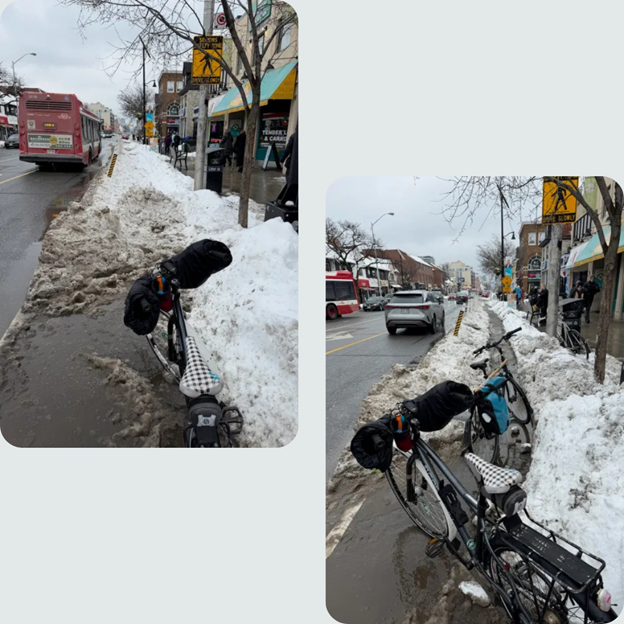
The real issue is not whether one mode briefly looked better than another during a storm. It is the impulse to turn winter maintenance into a zero-sum contest between drivers and cyclists, rather than acknowledging a shared failure to maintain all mobility infrastructure consistently.
We know, repeatedly and empirically, that cars are the primary source of congestion, and that reducing car dependency while expanding safe, reliable alternatives improves mobility outcomes overall. Early results from New York City’s congestion pricing program are already showing reduced traffic volumes and improved travel times, despite intense political backlash. (Bloomberg CityLab, Dec 2025).
I would love to believe that cycling infrastructure is coddled by the City of Toronto. But the policies, the maintenance standards, and the lived experience on our streets suggest otherwise. Some bike lanes may have looked good briefly. Very few stayed that way.
If you are unsure who to believe, do not doom scroll. Step outside more than once. Look at your sidewalk. Your curb cut. Your bus stop. Your bike lane. Watch how conditions change over time.
That fuller picture tells a more honest story. One that does not require pitting neighbours against each other to be heard.

One comment
This trend shows up repeatedly in both fringe and some mainstream media right now. Post a photo of a plowed bike lane and watch the engagement roll in — but that isn’t journalism, it’s monetizing ignorance.