Is there somewhere to sit in your local park? Do people linger, or hurry through? Is there a safe, shaded way to get there? Do neighbours who disagree about most everything still nod hello by the splash pad?
These are small questions, but they tell us a lot about how a city is doing. On October 26, Torontonians will elect a new Council. That Council should make beautiful, resilient parks central to Toronto’s identity and to residents’ daily lives.
Toronto faces overlapping crises: climate change, biodiversity loss, social isolation, and declining civic engagement. Parks help address all of them. They cool neighbourhoods, absorb floodwater, shelter plants and animals, and strengthen our connection to nature and each other, with real gains for mental and physical health.
They are also one of the few climate and social responses residents can see and touch in the short term. And they shape how people feel about their government. A U.S. study found that residents living near well-used parks report stronger community connection and greater satisfaction with local government. Condition matters too: well-kept playgrounds, sports fields, and washrooms are linked to high civic trust, while neglected ones are linked to much lower trust.
When people help improve a park alongside City staff and councillors, the park gets better, and so does the relationship. Residents come to value public investment and stay engaged. When disagreements come, as they always do, they reach toward each other instead of away.
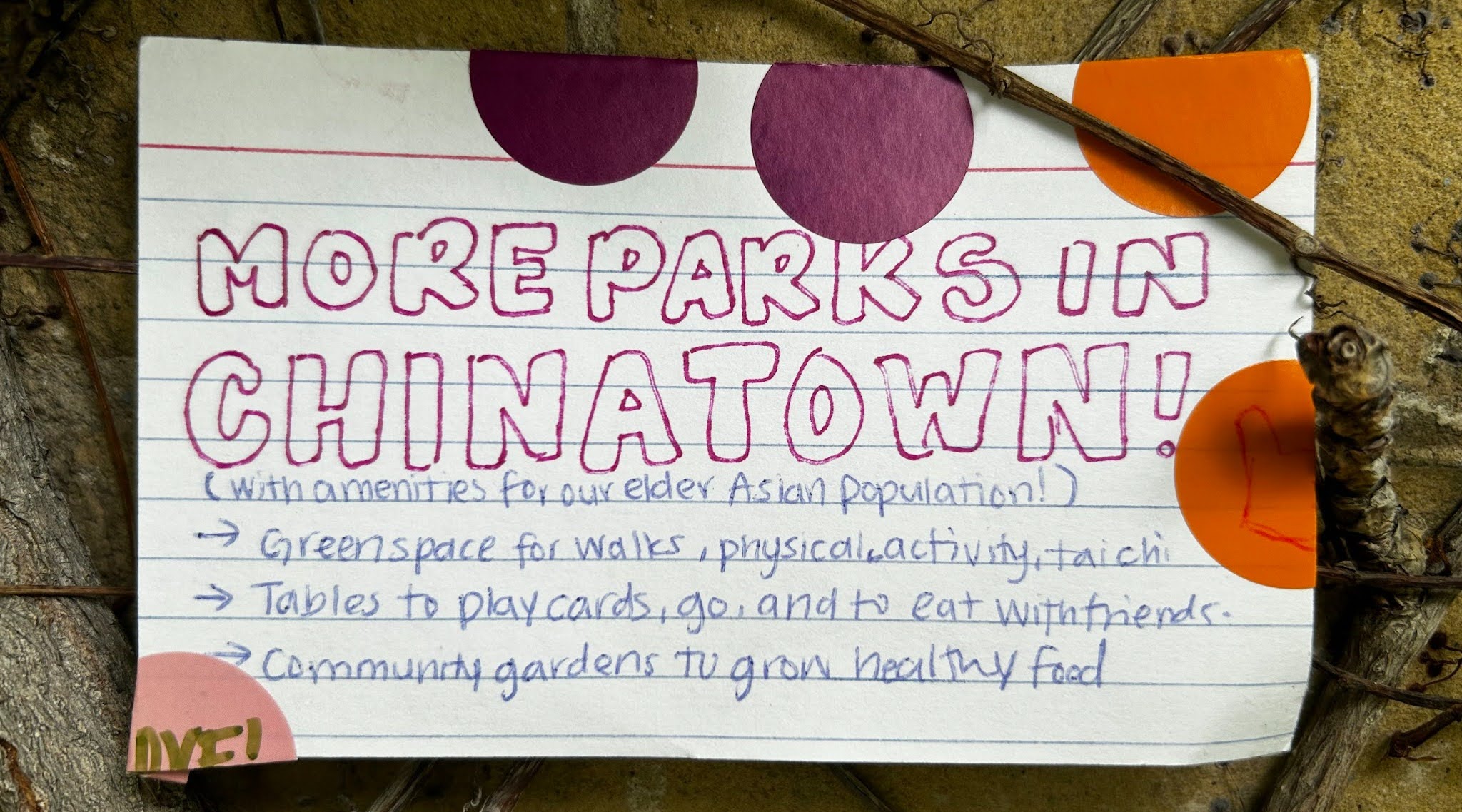
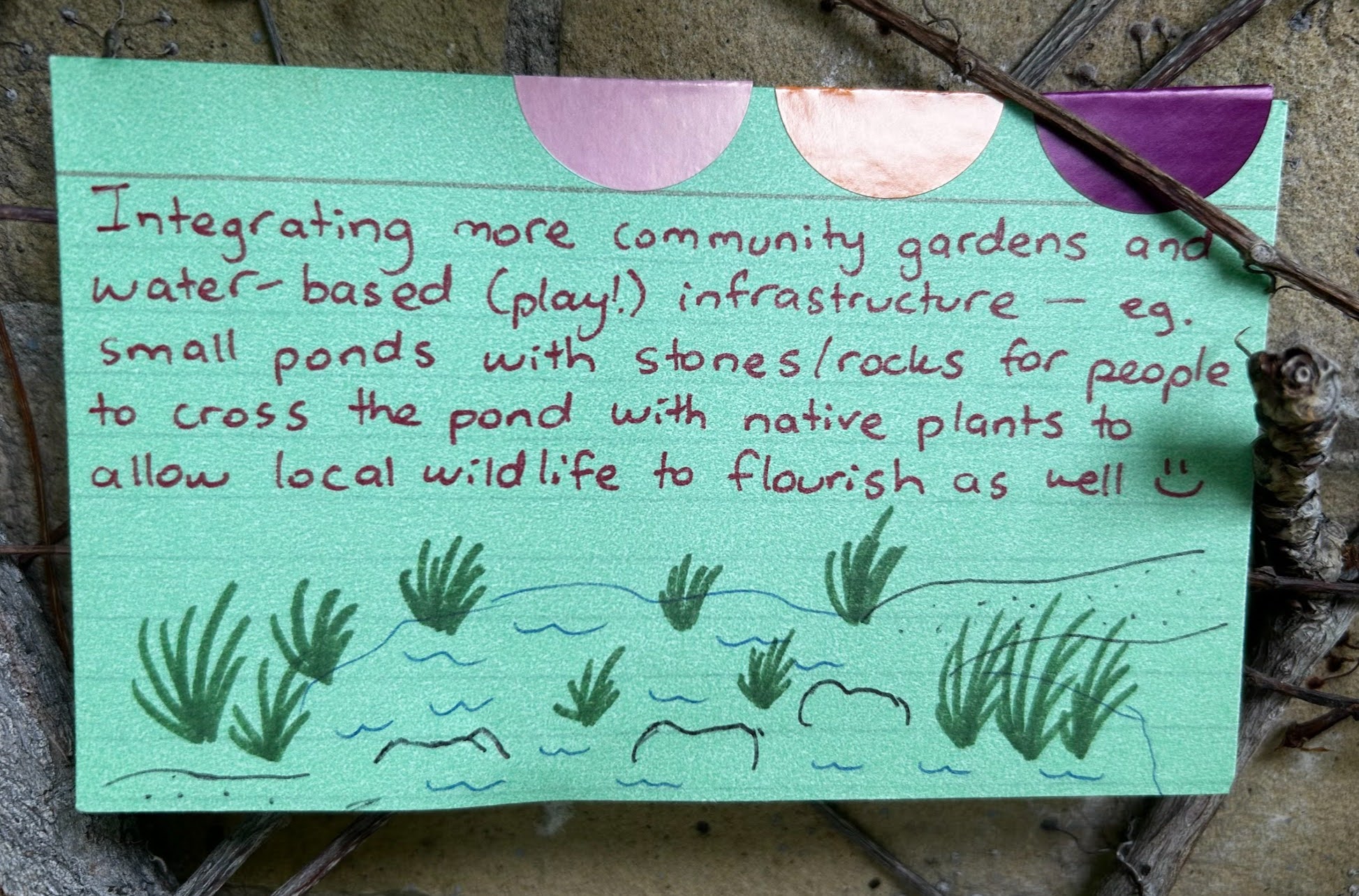
This year, Park People asked hundreds of Torontonians, from Scarborough to Etobicoke, North York to the waterfront, about their dreams for parks. Many of the ideas they shared are already happening somewhere in the city, but at a small scale, scattered, and dependent on a few determined people. It’s time to scale up. Here’s where the next Council should start.
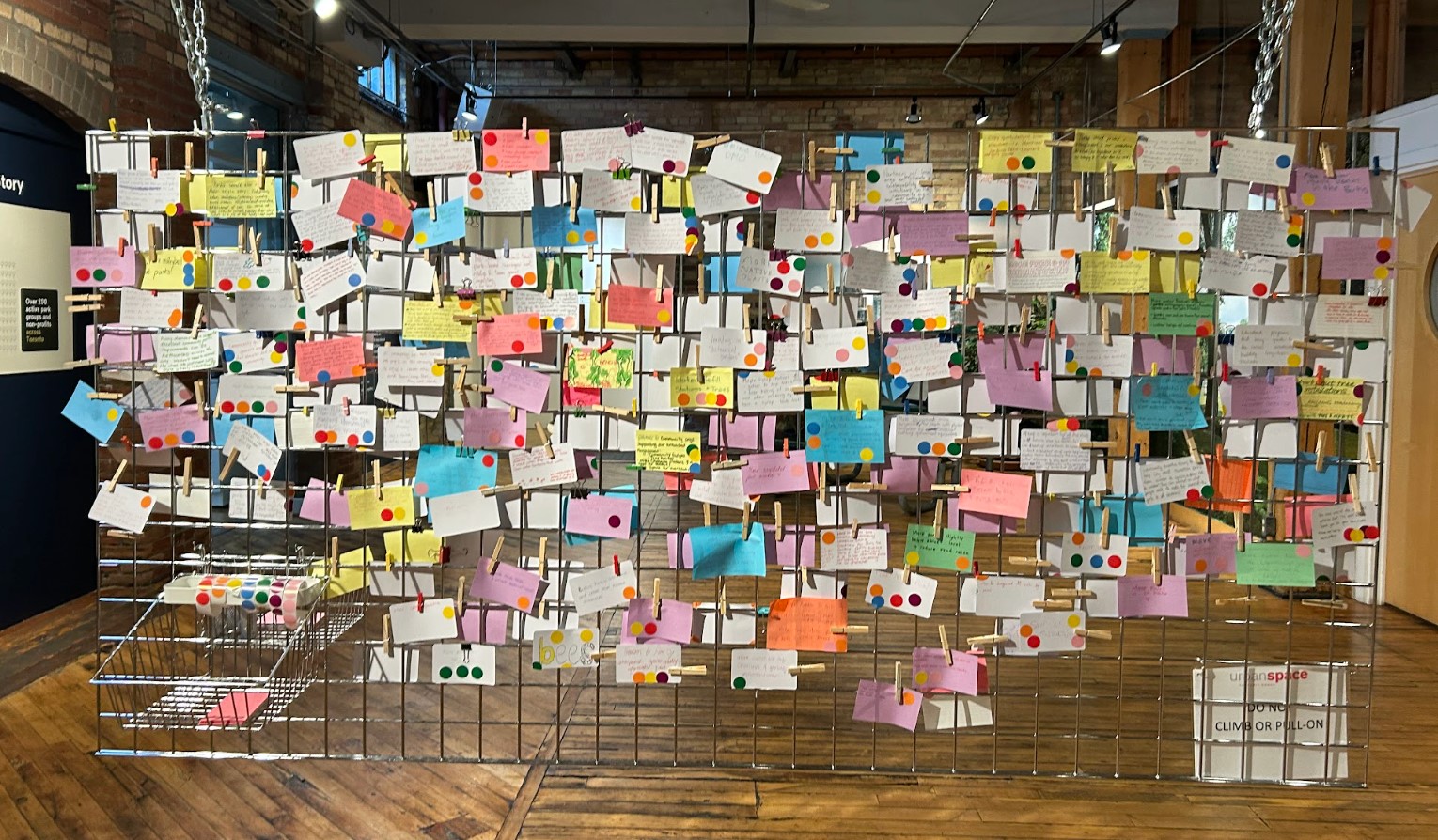
Establish a shared vision for a connected network. People and other species experience parks and public spaces as one system, but they are planned and managed as several. Council should bring residents and City staff together to create one vision for a high-quality, connected network of green and public spaces across the city. That includes working with neighbouring municipalities and other landowners to link these spaces and use them to their full potential for biodiversity, community programming and climate resilience. It also means better wayfinding, especially in ravines and on trails, and partnering with the TTC and Transportation Services so people can find good routes to parks, including the last few metres from station to park.
Invest in the basics. The most important park amenity may be a simple park bench. Without enough seating, many older residents and people with disabilities simply stay home. Council should use the increased parks capital budget to bring seating up to the level people of all ages and abilities need, and keep it maintained. It should expand the park washroom enhancement program, tying washroom projects into larger redesigns, and reboot the pandemic-era winter parks plan, with more plowed paths and recreation programs brought outdoors.
Make it easier to work together. Residents want to bring their parks to life with gatherings, gardens, festivals and stewardship. Council should champion community partnerships in parks and City-owned spaces, support staff to make partnership decisions that maximize community benefit even when that means taking some risks, and keep cutting permit costs and red tape.
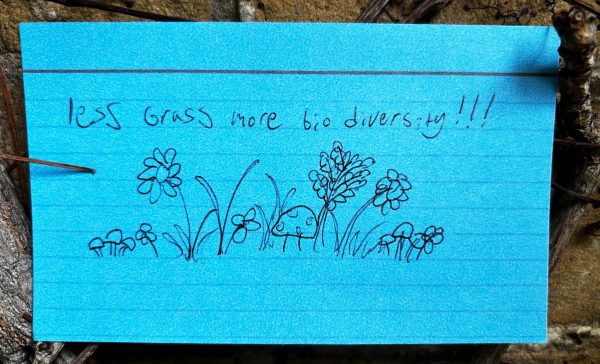
Protect nature and adapt to climate change. Toronto’s ravine system is one of the largest in the world, yet the Ravine Strategy has never been fully funded. Council should push for a partnership with the province, the federal government and the Toronto and Region Conservation Authority that funds the whole system over multiple years, not project by project. It should naturalize a percentage of the park system’s 3,000 hectares of mown grass each year, and fully resource parks as a core part of the City’s emerging climate adaptation plans.
None of this lets other governments off the hook. Parks are largely municipally funded and managed, but they are not simply a municipal service. They are essential health, climate, ecological and social infrastructure, and all orders of government should help pay for them. Cities don’t have the revenue tools to do this work at the scale and speed the moment demands.
But limited tools are not the same as no tools. Toronto owns most of its public space: not just parks and ravines, but the quarter of the city that is roads and rights of way, plus significant lands held by Toronto Community Housing, the TTC and other City agencies. After years of austerity, the New Deal with the province and recent property tax increases have brought larger parks budgets. Council is best placed to turn these assets into an integrated vision, and to invite other governments to the table.
Before you vote, ask your council and mayoral candidates: What is your vision for Toronto’s parks? How will you make them accessible to people of all ages and abilities? How will you fight for natural spaces like our ravines? What will you do to secure funding from other governments? And how will you help residents in your ward get involved?
Torontonians are paying attention. We are asking the next Council and mayor to put time, money and care back into the places we share – and to do it at the scale the city needs. Then the answers to those small questions will change: a shady spot to sit, a park people linger in, common ground where neighbours meet. It all starts at the park.
Read the full 2026 Parks Platform on Park People’s website.
Natalie Brown is Senior Director at Park People, a national nonprofit that supports community leadership and shifts park systems to help connect people and nature in our cities.
All photos courtesy of Park People.