
Most people do not spend much time thinking about municipal government.
They think about finding housing, getting to work, walking their children to school, meeting friends in a park, navigating construction, paying taxes, or wondering how their neighbourhood is changing. They think about the city itself—not the institutions that help shape it. Yet municipal government quietly influences many of those experiences every day.
Throughout this series, one theme has returned repeatedly: cities are complicated systems, and understanding them is not always easy.
But complexity is not the same thing as impossibility.
The Invisible Work of Cities
One reason municipal politics can feel distant is that much of its work happens gradually and incrementally. Neighbourhoods change over decades. Infrastructure is built and renewed over long periods. Plans evolve through countless decisions made by elected officials, public servants, community organizations, businesses, and residents.
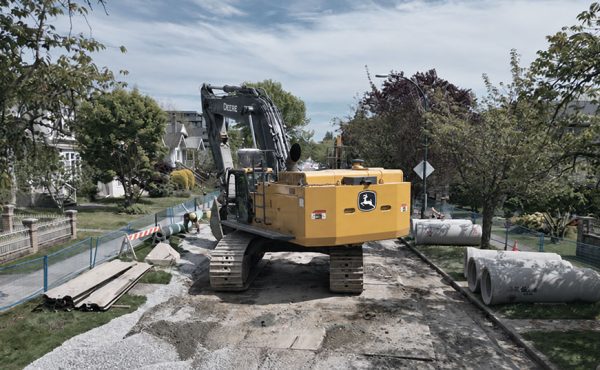
Unlike the dramatic moments that dominate federal or provincial politics, many municipal decisions arrive quietly. A zoning change. A new sidewalk. A redesigned street. A small apartment building. A transportation improvement. A new park.
Individually, these changes may seem modest. Collectively, they shape the city we experience every day.
That accumulation is easy to miss—until the city feels different.
What Civic Literacy Actually Is
Civic literacy is often described as knowing the names of elected officials or understanding how bylaws are passed. That is part of it, but it’s also something more practical.
It’s the ability to understand how public institutions function: where decisions are made, who is responsible for them, what powers different governments possess, and how those institutions interact with one another.
Without that understanding, it becomes difficult to know where to direct concerns, how to evaluate competing claims, or where opportunities for meaningful participation actually exist.
When responsibilities are unclear, frustration can easily replace understanding. A city may be blamed for decisions made by another level of government. Provincial policies may be mistaken for municipal ones. Complex problems can be reduced to simple explanations that feel satisfying but reveal little about how the system actually works.
Civic literacy does not eliminate disagreement. Nor does it guarantee better political outcomes. What it provides is context: the ability to distinguish between problems that are local and those that are regional, provincial, national, or global; to understand why some decisions take years while others happen quickly; and to recognize the difference between what governments can do and what they cannot.
But civic literacy is not only something residents need.
Different participants in municipal government encounter the city from different positions—and the knowledge they require is different as well. For residents, civic literacy can mean understanding where authority lies, when participation can matter, and where to direct concerns. For elected officials, it means understanding the institutions they have been chosen to govern well enough to question advice, weigh competing claims, and exercise informed judgment. For public servants, it includes understanding not only the rules they administer, but the history, purposes, and assumptions behind them.
Civic literacy, in other words, is not simply knowledge about municipal government. It is a shared capacity that allows residents, elected officials, and public servants to understand—and question—the same civic system from different positions within it.
Cities as Collective Projects
Most importantly, civic literacy helps us understand that cities are not abstract entities acting independently of the communities they serve.
Cities are collective projects.
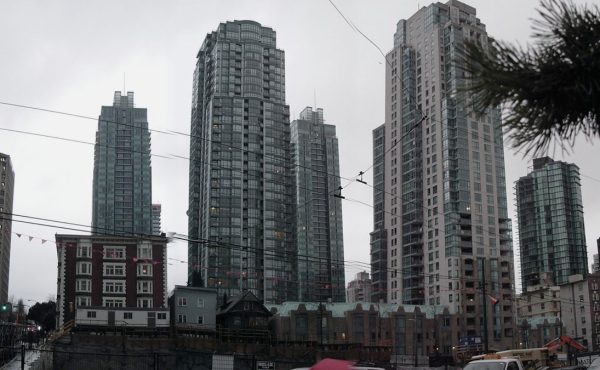
Every park, street, community centre, apartment building, heritage district, bike lane, transit station, and public plaza reflects decisions made over time by people with different priorities, values, and visions of urban life.
The city we inhabit today is the accumulated result of those decisions. The city we inhabit in twenty years will reflect the decisions being made now. But describing cities as collective projects does not mean everyone participates on equal terms.
Municipal democracy has real limitations.
Participation requires time, knowledge, confidence, and resources that are not distributed equally. Technical complexity can make decision-making difficult to follow. Financial constraints narrow the range of available options. Provincial legislation can reshape local authority. Public consultation can leave some participants feeling empowered and others feeling unheard.
Nor does every resident experience the consequences of urban decisions equally. Changes to housing, transportation, public space, infrastructure, and neighbourhoods can create benefits for some while imposing costs on others. Some groups have greater access to decision-makers, professional expertise, organizational capacity, or time to participate than others.
These limitations are real. They matter. They are worth naming.
What Still Remains
But focusing only on those limitations risks missing something equally important. Municipal democracy depends not only on opportunities to participate, but on the capacity of different participants to understand and question one another.
Residents need ways to engage directly with public decision-making. Councillors need the knowledge to exercise judgment rather than simply inherit institutional assumptions. Public servants need the institutional memory and professional openness to explain not only what the rules require, but why those rules exist and when they may need to change.
These responsibilities are different. But they depend on a common condition: a civic system that is sufficiently understandable for people occupying different roles within it to engage one another meaningfully.
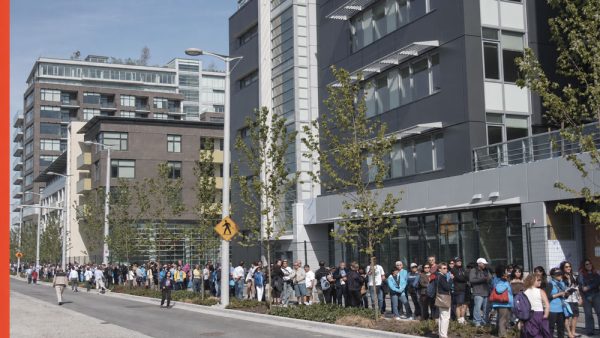
For residents, local government remains one of the places where that engagement can occur most directly. Councillors can be contacted. Public meetings can be attended. Advisory bodies and community organizations can create avenues for involvement. Residents can organize around issues that affect the places where they live.
These opportunities are imperfect, uneven, and subject to the constraints explored throughout this series. But they are not insignificant.
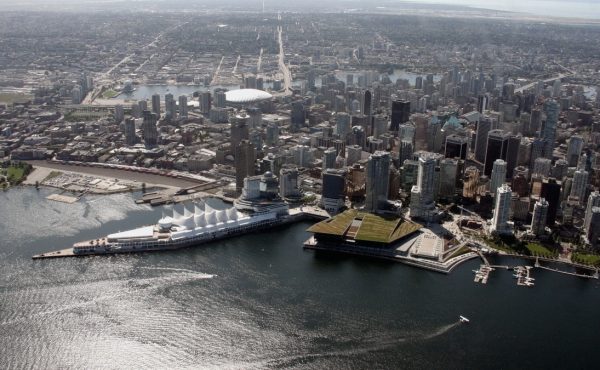
Many of Vancouver’s defining features have been shaped, at least in part, by people engaging in civic life. Neighbourhood planning, waterfront access, heritage preservation, public parks, community amenities, environmental protections, cycling infrastructure, and transit investment have all been influenced by decades of advocacy, debate, professional practice, political leadership, and negotiation.
None of these outcomes emerged from a single actor or institution. They were produced through interactions among residents, governments, professionals, organizations, and other interests—often through disagreement as much as consensus.
Cities are not static. They are continuously being remade.
Every generation inherits a city shaped by earlier decisions and contributes new decisions of its own. The challenge is not to eliminate disagreement—cities are diverse places, and disagreement is unavoidable. The challenge is to sustain institutions through which those disagreements can be understood, contested, and translated into public decisions.
For those institutions to retain legitimacy, they must remain understandable, accountable, and meaningfully open to participation.
Understanding as a Civic Practice
Cities are among humanity’s most ambitious collective achievements.
They are places where millions of individual decisions become shared environments; where private choices produce public consequences; where competing interests must coexist within common institutions. Every street, park, building, transit line, neighbourhood plan, and public space represents an accumulation of decisions made over time by people who rarely agreed about what the city should become.
Municipal government is one of the mechanisms through which those disagreements are managed. Understanding how that system works will not eliminate conflict. It will not produce consensus. It will not make every decision feel fair.
But it can make the city more legible.
It can help residents distinguish between myth and reality, between local responsibility and broader structural forces, between the ability to participate and the power to determine an outcome.
In a period of rapid urban change, civic literacy is not simply knowledge about government. It is a form of urban citizenship.
The future of Vancouver will not be determined by planners, politicians, developers, activists, or residents alone. It will emerge from the ongoing interaction among institutions and communities, public decisions and private actions, and competing visions of what the city should become.
Understanding the city is where meaningful participation begins.
All the articles in the City Primer series:
- City Primer — Part 1: What Is Municipal Government?
- City Primer — Part 2: How Cities Actually Make Decisions
- City Primer — Part 3: Why Housing Dominates Municipal Politics
- City Primer — Part 4: Why Cities Are Always Short of Money
- City Primer — Part 5: Why Municipal Politics Feels So Broken
- City Primer — Part 6: Why Civic Literacy Matters
***
Erick Villagomez is the Editor-in-Chief at Spacing Vancouver and teaches at UBC’s School of Community and Regional Planning. He is also the author of The Laws of Settlements: 54 Laws Underlying Settlements Across Scale and Culture. This series is part of an ongoing effort to make urban governance and city-building more accessible to a broader public audience.