
Media
-
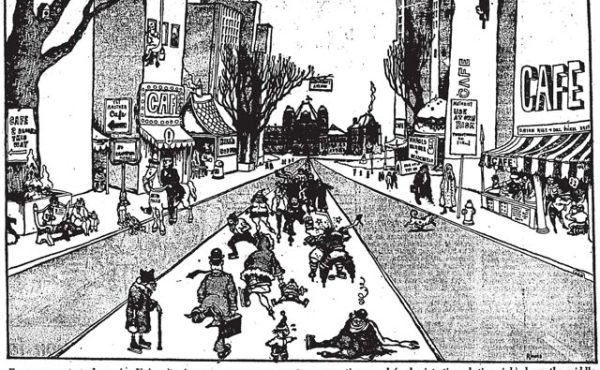
How We Can Make Toronto More Pleasant, 1971-Style
Publications periodically like asking local leaders and celebrities for their advice on how they would improve their city. One good example was a feature...
By Jamie Bradburn -
PODCAST: Spacing Radio 074, 20 Years of Spacing
Spacing is celebrating its 20th Anniversary. To celebrate, we talk to publisher Matthew Blackett and executive editor Dylan Reid about how the magazine...
By Spacing Radio -
PODCAST: Spacing Radio 070, Toronto Mayoral Election Redux
Now that John Tory has officially stepped down as mayor, the field of candidates hoping to replace him is a big one. With roughly 50 candidates on the...
By Spacing Radio -
Black History Month: Making space for Black music in Canadian radio
By Cheryl Thompson and Francesca D’Amico-Cuthbert In 1983, Toronto radio personality Ron Nelson introduced local audiences to the program “Fantastic...
By Cheryl Thompson -
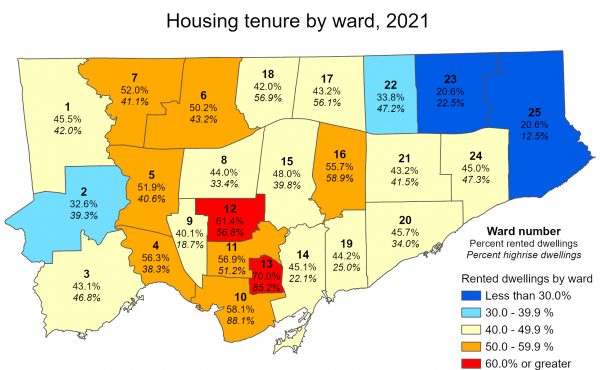
ELECTION: Toronto is a highrise, rental city – unlike City Council
Last week, Statistics Canada released the latest set of data from the 2021 Census, which included information on housing type and tenure. According to the...
By Sean Marshall -
PODCAST: Spacing Radio 066, Toronto Election Engagement
The Toronto municipal election is underway, and we’ll be spending the summer bringing you coverage, all the way up to E-Day on October 24th. But how...
By Spacing Radio -
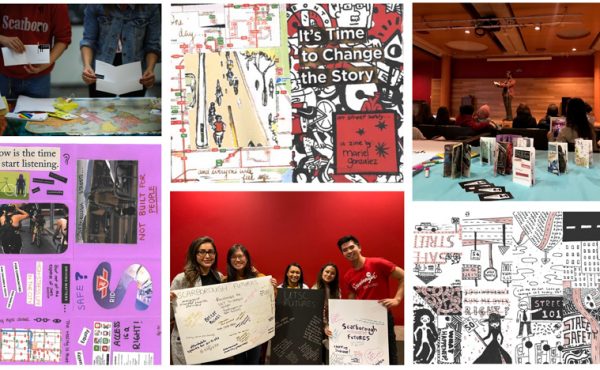
Reclaiming Scarborough’s Stories in Zines
Co-written by Niyosha Keyzad and Armi de Francia Scarborough is subject to many stereotypes, and the mainstream local media is complicit in perpetuating...
By Niyosha Keyzad -
PODCAST: Spacing Radio 043, We are the public realm
In this episode, we talk about public space issues of the past, present, and future. Spacing Publisher Matthew Blackett tells us how the magazine itself...
By Spacing Radio -
PODCAST: Election Panel with Matthew Blackett and Shawn Micallef
As Toronto gets ready to vote, we’ll be bringing you regular panel discussions with journalists and experts who will help you wade through what is maybe...
By Spacing Radio -
THE ARTFUL CITY: Urban Media Art: New Directions for Public Art and Cities
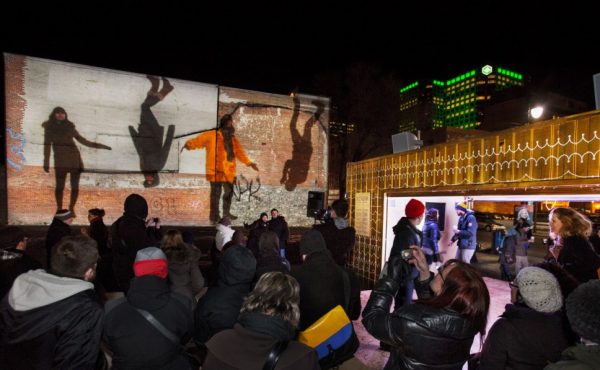
By Dave Colangelo You put your left foot in, you take your left foot out. And yes, you shake it all about, as prompted by the screen in front of you. Soon...
By The Artful City -
BURALE: We need to reframe how we talk about our city
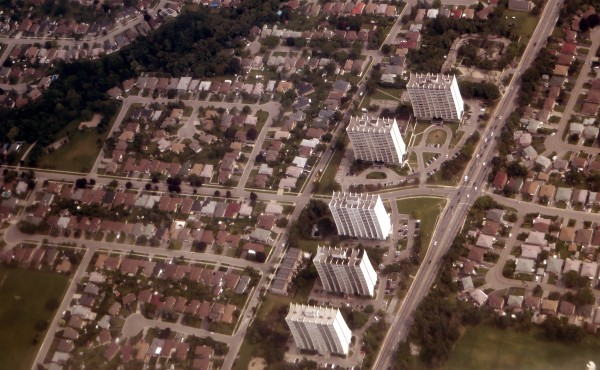
Toronto Life this month is running a cover profile about the inner suburbs. The article sought to expose the divisions within our city, but it ended up...
By Idil Burale -
10 NO BRAINERS: Reclaim our Visual Environment
10 No Brainers to Make Toronto More Awesome! is a project of the Centre for City Ecology that highlights small, achievable actions at the City-level that...
By Claire Nelischer