
Streetscape
-
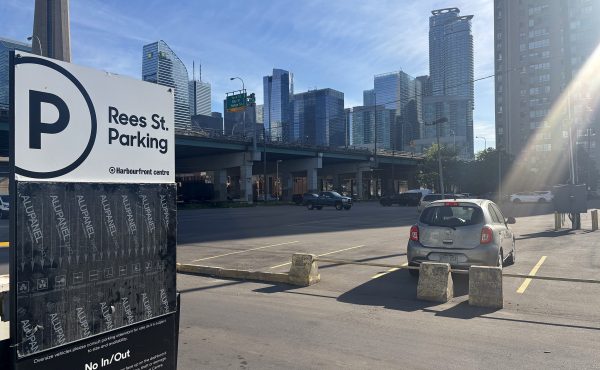
Rees Park: The rug that can tie the post-FIFA waterfront together
The waterfront as an east-west canvas for events and animation in Toronto will show its potential like never before during the upcoming FIFA World Cup...
By Tim Kocur -
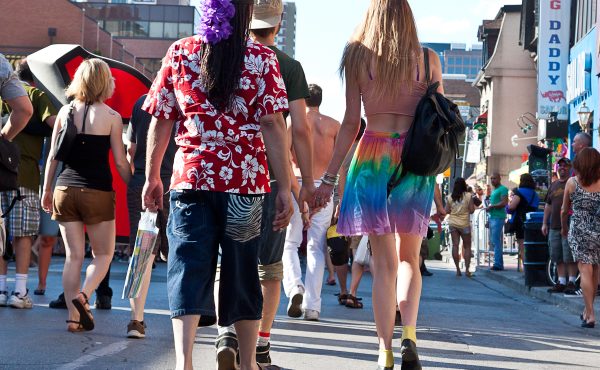
Church Street is being pedestrianized — that wasn’t so hard, was it?
In well under a year, which is like the blink of an eye in City of Toronto time, a plan to pedestrianize that portion of Church Street bisecting The...
By John Lorinc -
More housing near transit won’t solve Toronto’s affordability crisis
Onah Jung is a Toronto-based architect, urban designer, and founder of Studio Jonah. The City of Toronto recently revealed plans for more housing around...
By Onah Jung -

PODCAST: Spacing Radio 93, Everything Eglinton
To compliment the latest Eglinton-themed issue of Spacing Magazine, we begin with a celebration. Our regular transit commentators Toronto Star columnist...
By Spacing Radio -
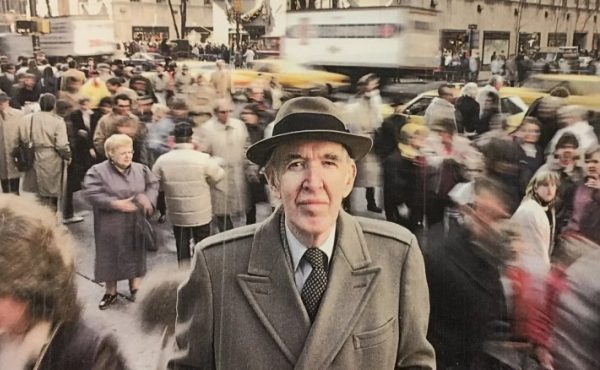
Do Toronto’s small urban spaces have a social life?
BACK BY POPULAR DEMAND: The John H. Daniels Faculty of Architecture, Landscape and Design will be screening The Social Life of Small Urban Spaces this...
By John Lorinc -
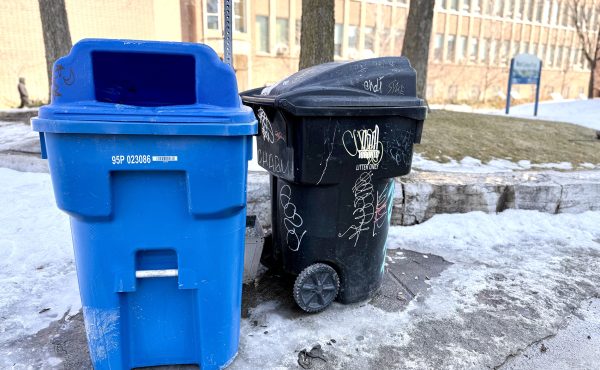
In praise of ugly park trash bins
As Astral’s wretched street furniture deal limps towards its inevitable conclusion, Toronto’s litter bins are back in the news, although...
By John Lorinc -

LORINC: The post-snowstorm sidewalk obstacle course
Does the City of Toronto see its network of sidewalks as transportation infrastructure? Officially, the answer is yes. Transportation services, the...
By John Lorinc -
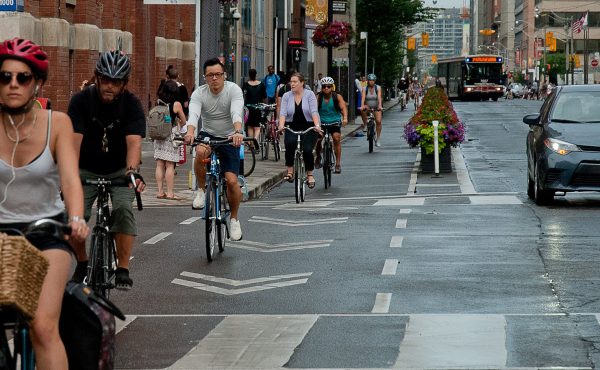
LORINC: Uncomfortable conversations about road safety
The city’s Vision Zero team released its 2025 data yesterday and the trend lines are encouraging: overall, the number of traffic-related deaths — 39...
By John Lorinc -
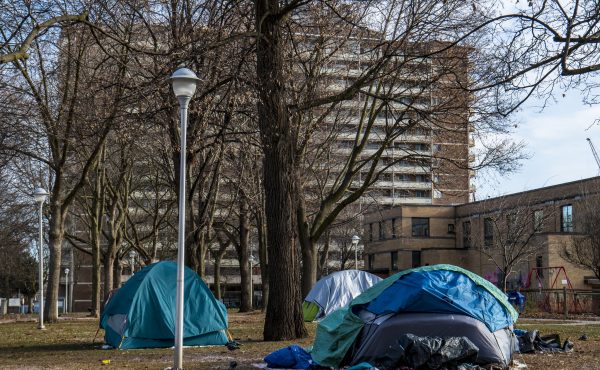
When did we start describing opioid addiction as “delinquent” behaviour?
In a widely read, shared and commented upon column in Saturday’s Globe and Mail, columnist Robyn Urback asked a question that, I’d say, is on...
By John Lorinc -
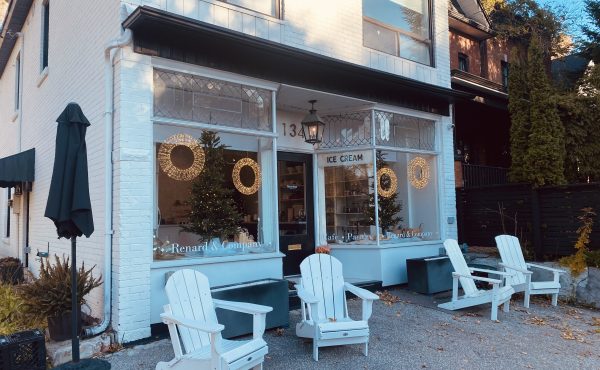
Nostalgia about neighbourhood retail is not a strategy
I have lived for many years less than 30 metres from what was once one of Toronto’s storied corner stores — a green grocer known locally as...
By John Lorinc -
Do Toronto’s small urban spaces have a social life?
BACK BY POPULAR DEMAND: The John H. Daniels Faculty of Architecture, Landscape and Design will be screening The Social Life of Small Urban Spaces this...
By John Lorinc -
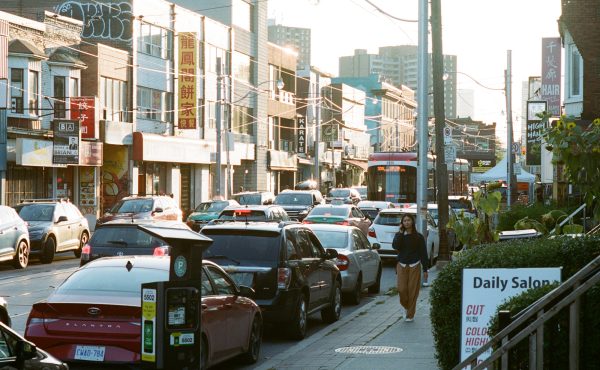
Gerrard Street East Part 1, 2023-2024
In the spring of 2023, a friend who was familiar with my earlier documentary photography of the city’s main streets suggested that I consider doing a...
By Peter MacCallum